Rusty Dad: A Bold Font for Rugged Creativity and Vintage Flair
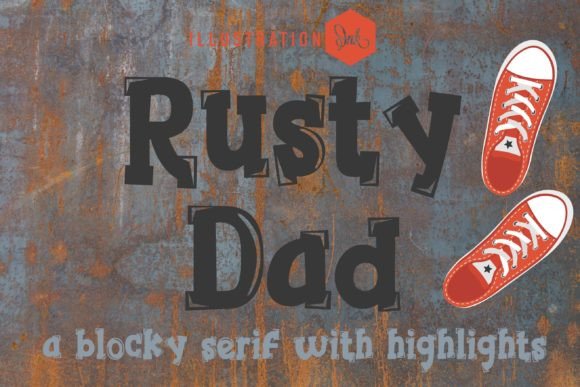
Fonts aren’t just about readability—they’re about personality. And when you want a typeface that speaks volumes before the words even do, Rusty Dad is an excellent choice. This bold, distinguished font features large, chunky serifs that stand out with vintage masculinity and rugged charm. It’s not just another pretty face in the world of typography; it’s a tool that can help you create memorable designs across a range of uses.
What Makes Rusty Dad Unique?
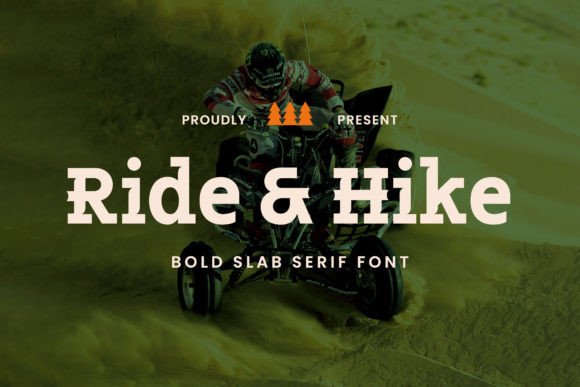
Rusty Dad is a slab serif font, which means it has thick, block-like serifs at the ends of strokes. These big, bold details give it a strong visual presence—perfect for headlines, logos, posters, or any project where you want to make an impression. The name itself hints at its character: something worn, weathered, yet still powerful and reliable.
The font feels like a classic newspaper headline brought into the modern era. It’s got that old-school grit but without being outdated. Whether you're designing for print or digital use, Rusty Dad adds a touch of authenticity and strength to your message.
Who Can Benefit from Using Rusty Dad?
Designers, marketers, entrepreneurs, bloggers, educators, and hobbyists all have different needs, but they share one thing: they want their content to stand out. Let’s explore how each of these groups might find value in using Rusty Dad.
For Creators and Designers
If you're working on branding materials for a business or personal project, Rusty Dad could be your secret weapon. Its strong character makes it ideal for logos, especially those that aim to convey durability, tradition, or a no-nonsense attitude. For example, a local hardware store or a craft beer brand would instantly benefit from this font's commanding presence.
Graphic designers who specialize in retro aesthetics or industrial themes often turn to slab serifs for that timeless look. Rusty Dad fits right in with fonts like Rockwell or Clarendon, offering a unique twist that can differentiate a design while maintaining a classic feel.
For Entrepreneurs and Small Business Owners
Entrepreneurs need to communicate confidence and credibility. Rusty Dad does exactly that. Think of packaging for handmade goods, signage for brick-and-mortar shops, or promotional materials for events. This font can help your brand feel grounded, trustworthy, and approachable.
A coffee shop owner, for instance, might use Rusty Dad for their menu headers to evoke a sense of warmth and craftsmanship. Similarly, a boutique selling vintage clothing or collectibles could pair it with distressed textures and muted colors to enhance the nostalgic vibe.
For Bloggers and Content Marketers
Blogging isn't always about minimalism. Sometimes, especially in niche areas like history, craftsmanship, or DIY culture, a bolder typographic choice can set the tone. Rusty Dad works well for section headings or pull quotes in articles that want to emphasize a point with visual weight.
Consider a blog post titled “How to Build a Rustic Wood Table.” Using Rusty Dad for the subheadings and key steps gives the reader a tactile sense of the subject matter. It helps create an immersive experience by aligning the visual style with the content theme.
For Educators and Presenters
Teachers and presenters looking to add a bit of flair to educational materials can also benefit from Rusty Dad. While it may not be suitable for long blocks of text due to its boldness, it shines as a title or section header in slides, handouts, or classroom posters.
Imagine a history lesson about the Industrial Revolution. Rusty Dad could be used for the main title, giving students a visual clue about the era being discussed. Or in a presentation about typography fundamentals, it serves as a great example of a slab serif typeface.
Realistic Use Cases Across Industries
Here are some specific scenarios where Rusty Dad can elevate your work:
- Product Packaging: For artisanal products like candles, soaps, or tools, Rusty Dad brings a sense of quality and heritage.
- Event Branding: Whether it's a music festival, a local fair, or a craft market, the font adds energy and character to posters and banners.
- Restaurant Menus: A steakhouse or BBQ joint can use it for appetizer sections or signature dish names to highlight the hearty nature of the food.
- Book Covers: Authors writing historical fiction, biographies, or nonfiction with a gritty edge will appreciate the thematic resonance of Rusty Dad.
- Web Headers: In website design, it’s perfect for site titles or landing page headlines that need to grab attention quickly.
Why Choose Rusty Dad Over Other Fonts?
There are countless fonts available today, but few offer the same combination of boldness and subtlety as Rusty Dad. Here’s why users might choose it over more common alternatives:
- It Stands Out Without Being Flashy: Unlike many novelty fonts, Rusty Dad maintains legibility while delivering a strong visual impact. It’s stylish but not distracting.
- Timeless Appeal: The vintage aesthetic of the font ensures it won’t go out of style. You can confidently use it for long-term projects knowing it won’t feel dated soon after launch.
- Versatility in Tone: Depending on how you apply it—pairing it with complementary fonts or color schemes—it can take on a serious, rugged, or even whimsical tone.
Things to Consider Before Using Rusty Dad
While Rusty Dad is a versatile font, it’s important to consider a few things before making it a core part of your design:
Legibility: Because of its bold and heavy construction, it’s best suited for short bursts of text rather than lengthy paragraphs. Always test it in the context of your full layout to ensure it doesn’t overwhelm the reader.
Color Contrast: Pairing Rusty Dad with the right background is crucial. Lighter shades of brown, gray, or cream can complement its vintage look, while dark backgrounds will let the font really pop.
Font Pairing: Don’t try to use Rusty Dad alone for everything. Balance it with a clean sans-serif like Helvetica or a softer serif like Georgia for body text. This contrast enhances readability and visual interest.
Context Matters: Make sure the font matches the overall theme of your project. If you're going for a sleek, modern look, Rusty Dad might not be the best fit. But if you're aiming for something with character and depth, it could be exactly what you need.
Where to Find and Use Rusty Dad
Rusty Dad is typically available through font foundries, design marketplaces, or directly from the designer who created it. Once downloaded, it can be installed on your computer or embedded in websites using web font services. Many designers prefer platforms like Adobe Fonts, Google Fonts, or Creative Market for access to such unique typefaces.
When selecting a source, look for licensing terms that match your intended use. Commercial projects may require a specific license, so always double-check before buying. Some creators also offer free versions with limited glyphs, which can be useful for testing purposes.
Getting Started with Rusty Dad
If you're new to using custom fonts, here’s a simple way to integrate Rusty Dad into your workflow:
- Download the font file (usually .ttf or .otf) from a trusted source.
- Install it on your system or upload it to your design software (like Photoshop, Illustrator, or Figma).
- Use it sparingly at first—try it on a single headline or logo to see how it looks in context.
- Experiment with spacing and sizing to balance the boldness of the font with the rest of your design elements.
Once you get the hang of it, you’ll start to see the possibilities unfold. Rusty Dad is more than just a font—it’s a design statement.
Rusty Dad in Digital Spaces
In the online world, where attention spans are short and visuals are king, Rusty Dad can cut through the noise. Web developers and UX designers often use it for hero sections, call-to-action buttons, or brand taglines. Its high contrast and distinctive shape make it perfect for screen-based applications where clarity and impact are essential.
However, because it’s a heavier font, ensure it loads quickly on your site. Compress the font files and consider using WOFF or WOFF2 formats for better performance. Also, remember to specify fallback fonts in your CSS so the text remains readable if the user can’t load Rusty Dad.
Personal Projects and Lifestyle Brands
Hobbyists and lifestyle brands often gravitate toward fonts that reflect their passions or identities. Rusty Dad can be a great fit for:
- Personal blogs focused on outdoor activities, woodworking, or classic cars.
- Printables like calendars, planners, or motivational posters that need a strong visual anchor.
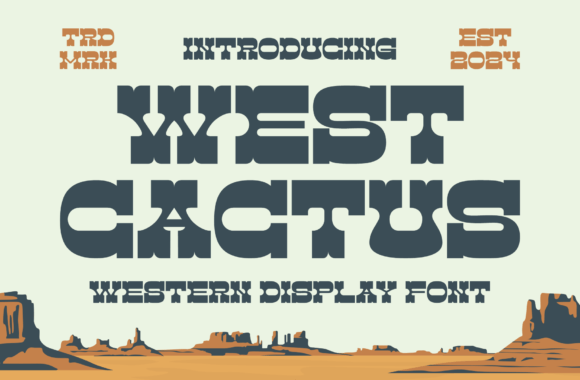
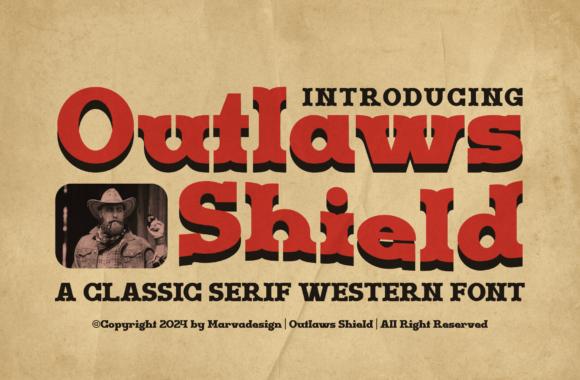
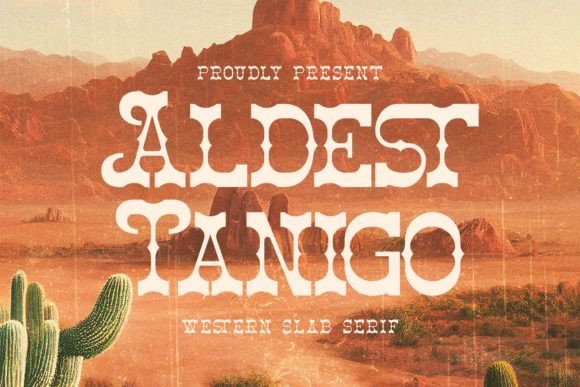
- Fan art and merchandise—especially if it’s inspired by retro media, such as old Westerns or noir films.
Its ability to evoke emotion and nostalgia makes it a favorite among those creating content that tells a story. Just think of the kind of font you’d expect to see on a vintage sign outside a small-town general store. That’s the feeling Rusty Dad delivers.
Final Thoughts on Rusty Dad
Rusty Dad isn’t just another slab serif font—it’s a thoughtful choice for anyone looking to inject a little rugged charm into their design work. From branding to editorial layouts, it offers a unique voice that can help your message resonate more deeply with your audience.
But like any good tool, it’s only as effective as the way you use it. Apply it wisely, pair it thoughtfully, and let it serve the purpose of your design. Whether you're building a brand, crafting a presentation, or simply expressing yourself creatively, Rusty Dad can be a powerful ally in making your content unforgettable.