Rustline: A Bold Vintage Font for Timeless Design Projects
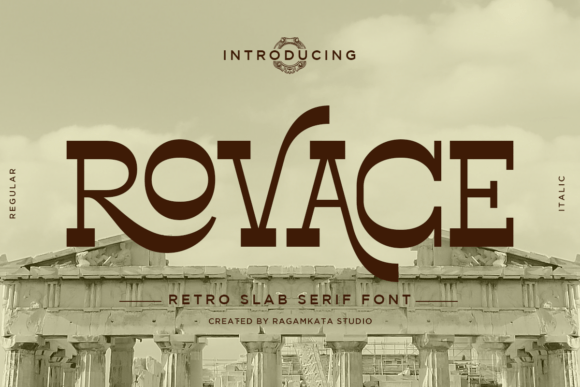
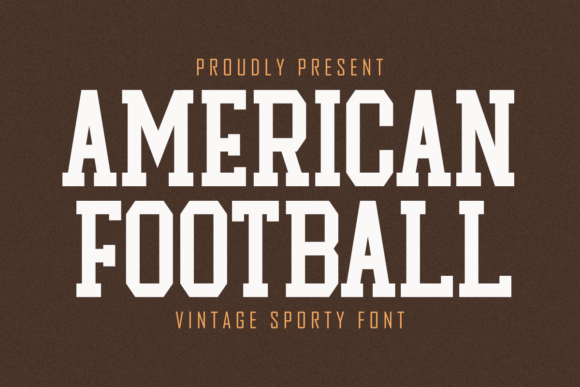
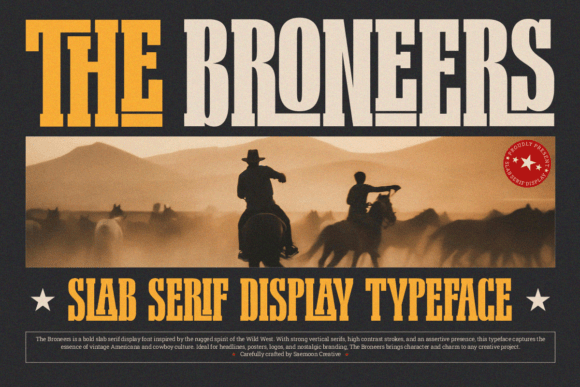
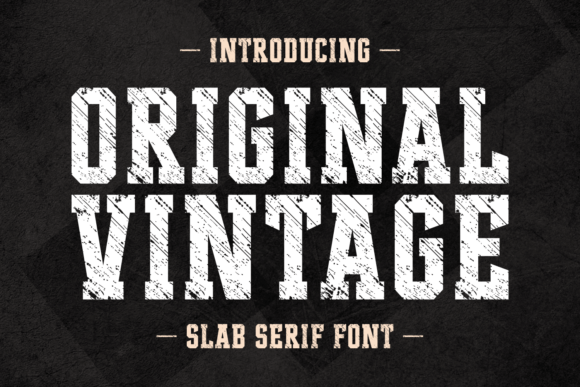
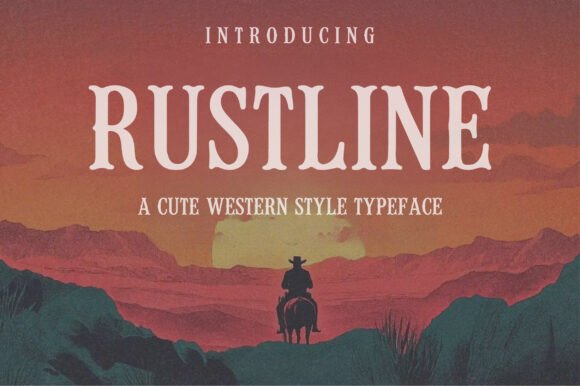
Rustline is a vintage slab serif font that channels the rugged charm of old western posters and classic print styles. With its strong, clean lines and nostalgic character, it’s more than just a typeface—it's a design tool that can elevate branding, logos, apparel, signage, and other creative projects with a touch of history and authenticity. Whether you're crafting a rustic headline or designing a retro-inspired badge, Rustline offers the visual weight and warmth needed to stand out in modern design landscapes.
Understanding the Role of Rustline in Your Design Workflow
Incorporating a font like Rustline into your design workflow requires thoughtful planning and execution. It isn't just about choosing a bold style; it's about aligning the aesthetic with your project's purpose and audience. For example, if you're creating a logo for a craft beer brand or a line of leather goods, Rustline can help establish a sense of heritage and craftsmanship right from the start.
Before diving into a project, consider the overall tone and message you want to convey. Rustline works best when used to emphasize strength, tradition, and boldness. If your design leans toward minimalism or modernity, using this font might not be the best choice unless it's intentionally contrasted against simpler elements. This pre-planning step ensures the font complements rather than clashes with the rest of your design components.
Preparation: Choosing the Right Context
Effective use of Rustline begins with preparation. Evaluate your project's goals, target demographic, and visual identity to determine whether this font will enhance the final outcome. You might ask yourself:
- Does the theme of my project align with rustic or vintage aesthetics?
- Will the font improve readability while maintaining visual appeal?
- Am I using it in a way that supports the hierarchy and focus of the design?
Once you've answered these questions, download and install Rustline on your preferred design platform—whether that's Adobe Illustrator, Photoshop, Canva, or Figma. Familiarize yourself with its unique characteristics, such as the thick serifs and sturdy letterforms, so you can leverage them effectively in your compositions.
Implementation: Integrating Rustline Into Key Stages of Your Project
Rustline can be implemented at various stages of a design process depending on your needs. Here are some practical ways to integrate it before, during, and after your project:
Before the Project Begins
Use Rustline during the initial concept phase to set the mood and direction. For instance, if you're brainstorming a new branding campaign for a coffee shop with a Western twist, incorporating Rustline in early sketches or mood boards can help communicate the desired style to stakeholders or team members. This early alignment saves time and reduces revisions later on.
During the Creative Process
As you begin laying out your design, apply Rustline to key text elements like headlines, taglines, or product names. Because of its high contrast and visual impact, it often serves as an excellent focal point. Pair it with complementary fonts—such as a clean sans-serif or a soft script—for balance. Use it sparingly to maintain legibility and ensure it doesn’t overpower supporting details.
When working with color, opt for earthy tones like deep browns, rust reds, or muted greens to enhance the vintage feel of the font. High-contrast pairings (e.g., black on white) also work well to make Rustline pop without losing its classic elegance.
After Finalizing the Design
Once your project is complete, test how Rustline performs across different mediums. Will it look good on a large billboard? How does it render on smaller screens or printed materials? These post-design considerations are crucial for ensuring the font remains effective regardless of where it's displayed.
You might also use Rustline in presentations or marketing collateral to maintain brand consistency. Its bold nature makes it ideal for titles and headers in slides or brochures, especially when paired with imagery that reinforces the vintage theme.
Practical Use Cases for Rustline
Rustline is particularly well-suited for several common design scenarios. Below are a few examples of where and how it shines:
- Logo Design: Ideal for businesses wanting to evoke a sense of durability and tradition. Think outdoor gear brands, distilleries, or artisanal food products.
- Apparel Branding: Perfect for labels, tags, or promotional material that benefits from a bold, vintage edge—especially in denim, leather, or Western wear collections.
- Signage and Packaging: Adds visual interest and character to storefront signs, packaging boxes, or labels for handmade items. The font’s readability ensures it communicates clearly even at a glance.
- Headlines and Posters: Works exceptionally well in print media or digital posters where a striking title is essential. Its structure gives a sense of authority and nostalgia simultaneously.
For instance, imagine designing a whiskey label. Rustline could be used for the brand name, providing a rugged, timeless look that immediately conveys quality and tradition. Supporting text, like ingredients or tasting notes, might be better suited to a simpler font to avoid overwhelming the reader, but Rustline sets the tone and grabs attention.
Pairing Rustline with Other Fonts and Elements
While Rustline is a standout font, it can coexist with others when used thoughtfully. In multi-font designs, it typically functions as a header font. To create harmony, pair it with a secondary font that contrasts in weight or style. A lightweight sans-serif or a soft serif font can provide a nice balance, allowing the body copy to remain readable while Rustline adds visual flair.
Additionally, consider how typography interacts with other design assets. When using Rustline alongside photography, illustrations, or textures, ensure the background doesn’t interfere with the font's clarity. A textured paper background or a faded wash effect can amplify the vintage vibe without making the text hard to read.
Workflow Integration and Long-Term Usability
Integrating Rustline into your workflow doesn’t have to disrupt your usual methods. Start by organizing your font library so you can quickly access it when needed. Many designers use tools like FontBase or Suitcase Fusion to manage their typefaces efficiently.
When collaborating with others, especially in team environments, share the font file through cloud storage platforms or include it in shared asset libraries. This ensures everyone involved has consistent access and avoids version control issues down the line.
Design Consistency and Branding
Maintaining consistency is key in any branding effort. Once you choose Rustline for a specific element—like a logo or slogan—use it consistently across all related materials. This includes websites, social media posts, business cards, and packaging. Such repetition builds brand recognition and reinforces the intended aesthetic.
To streamline this process, consider setting up a style guide or template system that includes predefined uses of Rustline. This helps preserve design integrity and makes future updates faster and easier to implement.
Quality Control and Testing
Before finalizing any project involving Rustline, perform thorough testing. Print samples to check how the font looks on physical materials. Test it on mobile devices and web pages to ensure responsiveness. These checks help prevent unexpected issues and confirm the font meets your standards for both appearance and function.
Also, pay attention to spacing and kerning. Like many vintage-style fonts, Rustline may require slight adjustments to look polished in certain layouts. Take the time to fine-tune these details, especially for high-impact pieces like logos or event posters.
Maximizing Efficiency and Style
Rustline isn’t just about looking good—it can also contribute to a more efficient design process. Its clear structure and bold presence mean fewer iterations to achieve a visually appealing result. However, efficiency only comes with understanding how and when to use the font effectively.
Here are a few tips for maximizing efficiency while using Rustline:
- Stick to one or two primary uses per project to avoid overcomplication.
- Create reusable templates that feature Rustline for common design types (e.g., social media graphics, packaging mockups).
- Use layers or text styles in design software to easily adjust size, color, or spacing when needed.
- Consider licensing and usage rights to ensure compliance, especially when scaling for commercial applications.
By treating Rustline as a strategic asset rather than just another font, you can streamline your workflow and maintain a cohesive visual language throughout your projects.
Conclusion: Elevate Your Work with Purposeful Typography
Rustline brings a distinctive blend of boldness and nostalgia that can enrich a wide range of design outputs. Whether you’re building a brand identity, updating a website, or crafting a new product line, integrating this font thoughtfully can add depth and character to your work.
Remember, the most powerful typographic choices come from aligning the font with your project’s goals and audience. Rustline thrives in contexts that value strength, tradition, and visual impact. When used appropriately, it becomes more than just text—it becomes part of the story you're telling through your design.